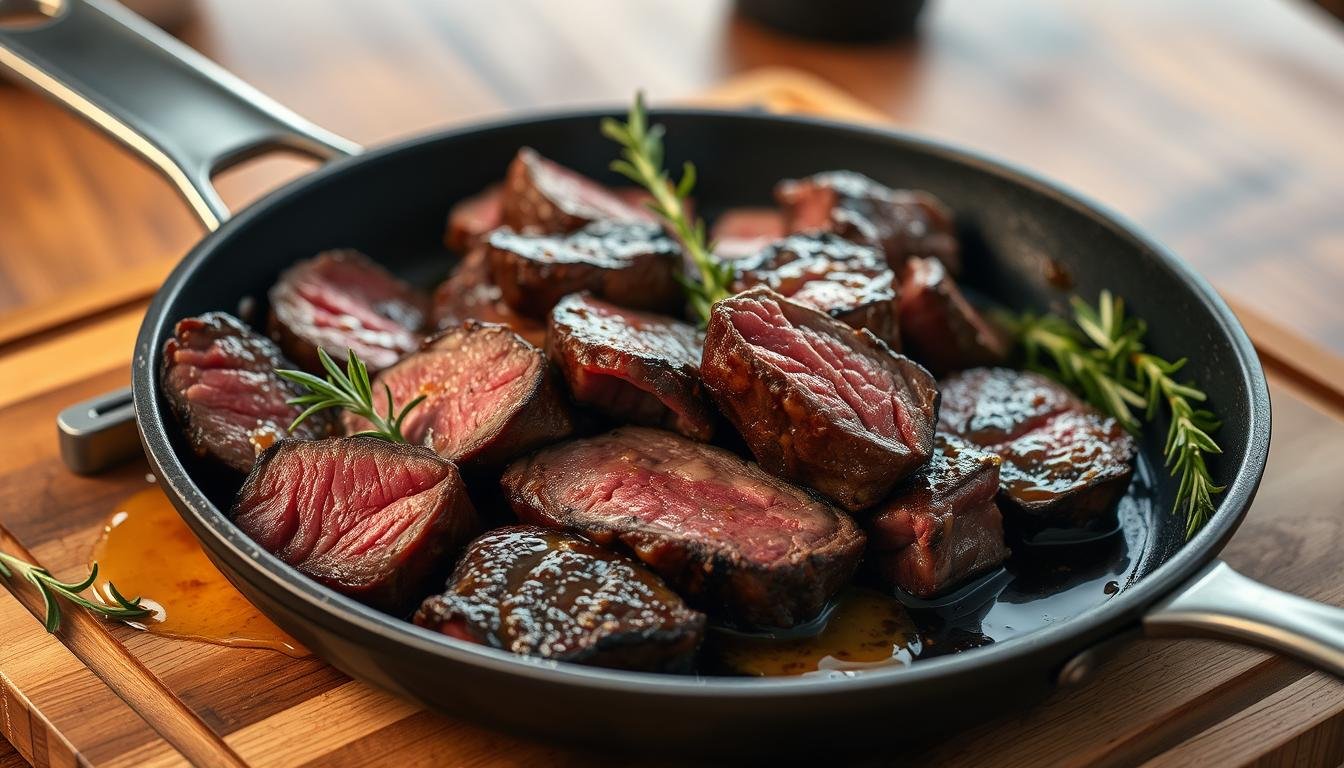
Have you ever wondered why your expensive steak sometimes turns out tough and disappointing, even when you follow all the recipes?
Many home cooks face this frustrating experience. They invest in quality cuts but end up with results that don’t match their expectations. The truth is, starting with great meat is only half the battle.
Even the finest beef can be ruined by poor kitchen techniques. The animal’s upbringing matters, but your preparation method matters just as much. You need to respect the natural flavors from start to finish.
This guide shares practical methods that actually work in real kitchens. You’ll learn from years of experience cooking thousands of steaks. These straightforward approaches don’t require fancy equipment.
Whether you’re making a weeknight dinner or a special meal, understanding these fundamentals gives you confidence. You can create amazing dishes consistently by avoiding common mistakes.
Key Takeaways
- Quality meat selection forms the foundation for excellent results
- Proper handling from thawing to serving makes a significant difference
- Simple techniques often outperform complicated methods
- Avoiding common pitfalls prevents texture and flavor issues
- Restaurant-quality outcomes are achievable with the right approach
- Consistent success comes from understanding fundamental principles
- Respecting the meat’s natural qualities enhances the final dish
Preparing Your Steak: From Thawing to Tempering
Before your steak ever touches the heat, there are crucial preparation steps that ensure even cooking. Proper handling from freezer to pan makes a significant difference in your final results.
Defrosting Methods for Safe and Even Thawing
When working with frozen steaks, the thawing process requires care. The safest method involves cold water immersion. Fill a bowl with cold water and submerge your packaged steak for about an hour.
Always check the packaging for small holes before placing it in water. Change the water halfway through for best results. Avoid using your microwave or leaving meat on the counter.
Allowing Your Steak to Come to Room Temperature
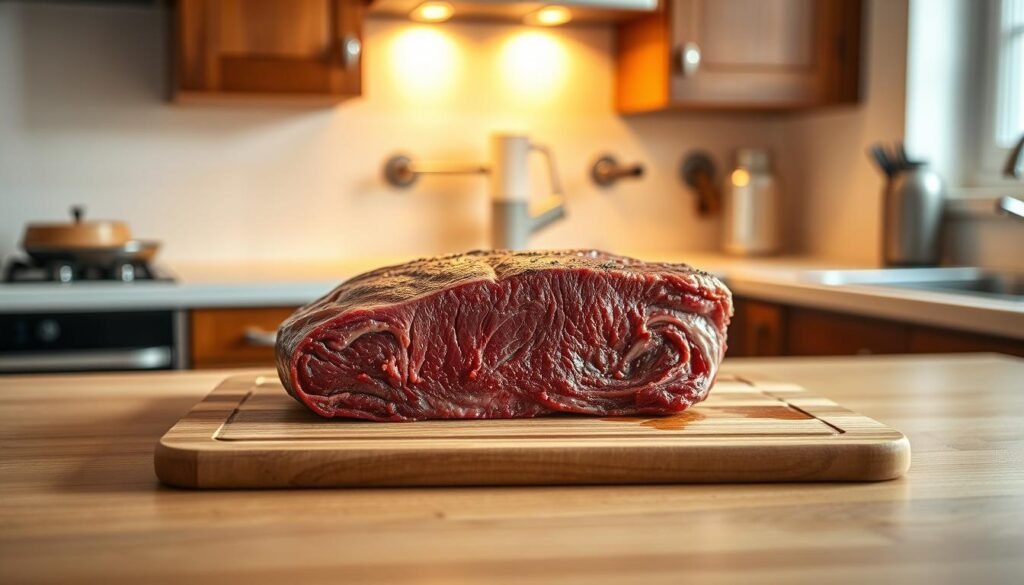
Once thawed, let your steak sit at room temperature before cooking. This step, called tempering, typically takes about an hour. It helps the meat cook evenly from edge to center.
When beef goes straight from refrigerator to heat, muscle fibers constrict. This can lead to a tougher texture. Giving your steaks time to lose their chill prevents this issue.
You don’t need to reach exactly 72 degrees. Just allow enough time for the refrigerator cold to dissipate. This approach works for grilling, pan-searing, or preparing beef for stews.
Pat Dry and Season Thoughtfully
Achieving that restaurant-quality crust on your steak begins with one simple but essential step that many home cooks overlook. Proper surface preparation makes all the difference between steamed meat and properly seared steak.
Importance of Patting Dry for a Perfect Sear
Before your steak touches the hot pan, take a moment to pat it completely dry. Use paper towels to absorb any surface moisture or blood. This step ensures direct contact between meat and cooking surface.
Place paper towels under and over your steak, pressing gently on all sides. Removing moisture prevents steam from forming during cooking. Steam interferes with the caramelization process that creates that beautiful crust.
Dry surfaces allow for better heat transfer and browning. This technique works for both pan-searing and grilling methods. The result is consistently better texture and appearance.
Seasoning with Salt and Simple Spices
When it comes to seasoning your steak, simplicity reigns supreme. Salt is the most important ingredient for enhancing natural flavors. It draws out moisture from muscle fibers while intensifying the meat’s inherent taste.
You can apply kosher salt right before cooking or after removing steak from refrigeration. Many professional chefs use just salt, black pepper, and occasionally garlic. These basic seasonings let the quality of your beef shine through.
Remember to season all sides of your steak evenly. Avoid overwhelming spice blends that mask the meat’s character. The goal is to complement, not cover up, the wonderful flavor of your steak.
Choosing the Right Cooking Tools and Oils
The equipment and oils you select can dramatically impact how your steak develops flavor and texture during cooking. Your choices here determine whether you get that beautiful crust or end up with steamed, unevenly cooked meat.
High Smoke Point Oils: Avocado, Canola, or Clarified Butter
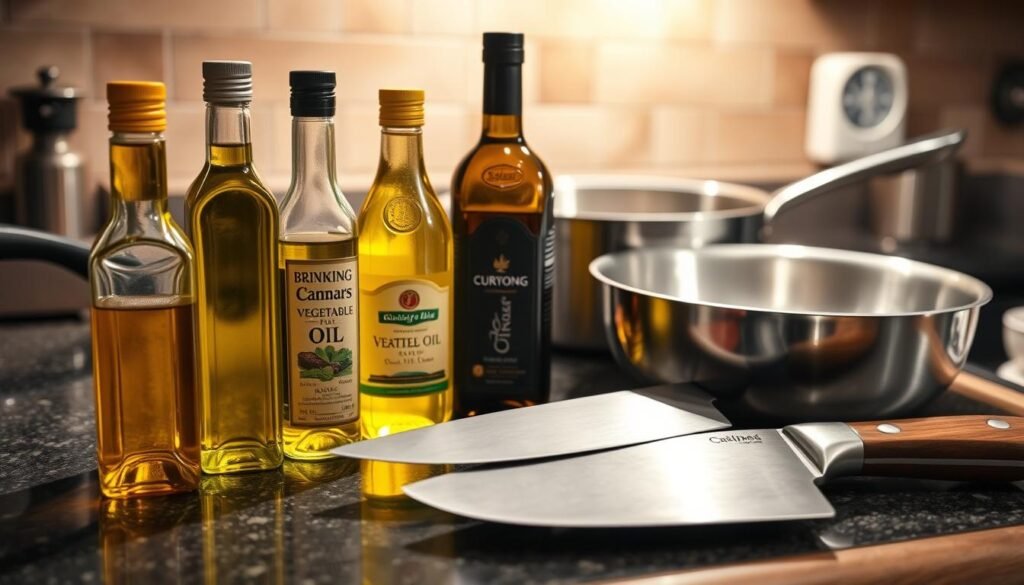
Using the wrong oil can ruin your cooking experience. Regular olive oil starts smoking around 300 degrees, creating unpleasant flavors. Instead, choose oils with high smoke points.
Avocado oil handles temperatures up to 520 degrees. Canola oil works well at 400 degrees. Clarified butter offers rich flavor while withstanding 450 degrees of heat.
These options prevent smoking and ensure clean, delicious results when cooking steak at high temperatures.
Benefits of Using a Cast Iron Skillet
A cast iron skillet is your best friend for steak preparation. This dense metal holds heat exceptionally well and distributes it evenly across the entire surface.
Even heat means consistent browning without hot spots. Your steak develops uniform caramelization rather than cooking faster in some areas.
Preheat your pan until it’s very hot but not smoking. This ensures immediate searing when the meat makes contact.
Mastering the Sear and Flipping Techniques
Creating that beautiful crust on your steak requires mastering two key techniques: the initial sear and strategic flipping. These methods work together to develop flavor and ensure even cooking throughout your meat.
How to Achieve Those Perfect Grill Marks
Start by preheating your grill to around 500 degrees. This high heat creates immediate caramelization when your steak makes contact. Wait until you see deep, attractive lines forming before considering the first flip.
The time needed for each side depends on thickness and heat intensity. Thicker steaks require more patience. You’re looking for that golden-brown crust that locks in moisture through the Maillard reaction.
Frequent Flipping: Myth or Method?
Traditional advice suggests flipping your steak only once. However, many professional chefs now challenge this approach. They’ve found that frequent turning can cook steaks more evenly through the center.
This technique becomes especially important with thick steaks. It prevents the first side from overcooking while the interior remains underdone. Use tongs instead of a fork to avoid piercing the seared surface and losing precious juices.
Experiment with flipping frequency based on your steak’s thickness. Thinner cuts might do well with a single flip, while thicker cuts benefit from multiple turns. Stay attentive rather than following rigid timing rules.
Juicy, Tender, Perfect: Secrets to Cooking Beef the Right Way
Your steak’s journey isn’t complete when it leaves the heat source – what happens next makes all the difference. The final steps ensure your efforts result in a memorable meal rather than disappointment.
Monitoring Internal Temperature with a Thermometer
Using a meat thermometer transforms guesswork into precision. Insert it into the thickest part of your steak for an accurate reading.
For conventional beef, remove it from heat at about 125°F for medium-rare. The internal temperature will rise another 5 degrees during resting.
Grass-fed beef requires different guidelines. It cooks faster and retains pink color at higher temperatures. Medium-rare reaches around 140°F.
Letting the Steak Rest to Seal in Juices
Resist cutting into your steak immediately after cooking. Those few minutes of patience prevent juice loss on your plate.
Thin cuts need five to seven minutes of rest time. Thicker steaks require at least ten minutes for proper redistribution.
During this period, the internal temperature stabilizes around 120°F. This allows juices to settle throughout the muscle fibers.
Your reward is a consistently moist experience with every bite. The simple act of waiting elevates your results significantly.
Enhancing Tenderness and Flavor Through Different Methods
Beyond the standard pan-searing method, various cooking styles offer unique ways to enhance your beef’s texture and taste. Each approach brings out different qualities in your meat.
Low and Slow Stewing for Melt-In-Your-Mouth Beef
Stewing transforms tougher cuts into fork-tender masterpieces. Always start with room-temperature beef to prevent thermal shock. Add your meat to gently simmering liquid, never boiling water.
Cook your stew in the oven between 284°F and 320°F. This low heat works for four to six hours. The extended cooking time breaks down collagen completely.
Cuts like chuck and brisket work best for stewing. They become incredibly soft and flavorful. The result is beef that practically falls apart.
Grilling and Roasting Techniques for Grass-Fed Cuts
Grass-fed beef requires special attention during cooking. For well-done steaks, marinate for several hours first. Pierce the meat with a fork to help marinade penetrate.
Sear on high heat for one to two minutes per side. Then reduce to medium heat (275-300°F). Grill each side for seven to ten minutes while basting with sauce.
For roasting, use cuts like top sirloin or eye of round. Watch internal temperatures carefully. Remove from the oven at 144 degrees for optimal results.
| Method | Temperature/Time | Best Cuts |
|---|---|---|
| Stewing | 284-320°F for 4-6 hours | Chuck, Brisket, Bottom Roast |
| Dry Roasting | Until 144°F internal | Top Sirloin, Eye of Round |
| Moist Roasting | Low heat, long time | Chuck Roasts, Briskets |
| Grilling Grass-Fed | High then medium heat | All steak cuts |
Each method requires specific heat control and timing. The reward is consistently flavorful results that highlight the natural qualities of your beef.
Final Touches to Elevate Your Beef Experience
The final presentation of your steak transforms a simple meal into a memorable dining experience. These last-minute details make a significant difference in both flavor and enjoyment.
When cutting your steak, always slice against the grain. This technique breaks up tough muscle fibers, making each bite more tender. Cutting with the grain creates chewier meat that’s less enjoyable.
Warm your plates before serving to maintain optimal temperature. Cold plates absorb heat quickly, leaving your steak lukewarm. Simply stack plates in a low-temperature oven or place them briefly on the stovetop.
For grass-fed cuts like New York strip, add final seasoning after cooking. Simple accompaniments like garlic butter enhance natural flavors without overwhelming them. Quality beef shouldn’t need heavy steak sauce when prepared properly.
Choose sides that complement rather than compete with your steak. Thoughtful plating completes the experience. These finishing touches ensure your great steak impresses everyone at the table.