Have you ever felt the excitement of seeing new visitors on your website, only to wonder who they are? That traffic represents real people with potential. Yet, without a way to connect, they often leave as quietly as they arrived.
This is where a strategic approach makes all the difference. A well-crafted web form acts as a digital handshake. It turns anonymous clicks into known contacts. You exchange valuable content for their information, starting a relationship.
This guide will show you how to build these powerful assets. You will learn to create experiences that people are happy to join. We will cover everything from persuasive writing to smart design.
Your goal is to grow a list of interested leads. This is the foundation for successful marketing. Let’s begin the journey to better conversion for your business.
Understanding High-converting opt-in pages
Imagine a dedicated space on your site where visitors willingly trade their contact details for something they value. This is the essence of a strategic asset in digital marketing.
Definition and Key Purpose
This specific type of page is built for one primary goal: lead generation. You offer valuable content, like an ebook or newsletter, in exchange for a visitor’s email address. The form is typically short to reduce friction.
The key purpose is to build your email list. You create a database of qualified prospects who have shown interest. This turns anonymous traffic into known leads you can nurture.
Opt-in Pages Versus Traditional Landing Pages
It’s important to distinguish this focused page from a broader landing page. A traditional landing page might aim to educate or sell a product directly. It can have multiple calls-to-action.
In contrast, this asset has a narrow focus. Its sole objective is capturing information. This simplicity is its power, making it highly effective at the top of your sales funnel.
While sometimes called a squeeze page, the terms are similar. The main goal remains converting visitors by presenting a clear, valuable offer.
Why Your Web Traffic Needs High-converting opt-in pages
Your website traffic is like water flowing through your hands unless you have a way to capture it. Visitors arrive with interest, but without a proper capture mechanism, they leave as anonymous statistics. This represents a significant lost opportunity for your business.
These specialized page designs create a fair value exchange. You offer useful content like guides or discounts. In return, visitors provide their contact information willingly.
This transforms passive website visitors into active leads. You gain permission to continue the conversation through email campaigns. The relationship begins with clear consent from both sides.
Building your email list through this landing page strategy creates a sustainable marketing asset. Unlike social media followers, you own this database completely. It remains stable despite algorithm changes on other platforms.
The conversion potential of these leads is significantly higher. They’ve already shown interest by opting in voluntarily. This warm introduction makes them more receptive to your future messages.
Once you create an effective page, it works continuously day and night. Your lead generation multiplies without extra effort. This scalability makes it a powerful tool for growth.
In today’s privacy-focused world, this approach ensures compliance. Every contact has explicitly consented to hear from you. You build trust while growing your audience of potential customers.
The Role of Opt-in Pages in Your Lead Generation Strategy
The journey from a casual browser to a loyal customer begins with a single, intentional action. This action happens on a specific type of page designed for permission-based marketing. It’s the critical entry point to your sales funnel.
Here, anonymous visitors transform into identifiable leads. They grant you permission to continue the conversation. This starts a relationship built on clear consent.
You can deploy these forms across many touchpoints. This creates a robust lead generation ecosystem.
- Dedicated landing pages for specific offers
- Embedded sections within your main website content
- Exit-intent pop-ups that capture leaving visitors
- Social media-linked landing pages
Each page can be tailored for different stages of the customer journey. An educational guide attracts people early in their research. A webinar registration moves prospects closer to a decision.
Using multiple, targeted forms is more effective than one generic sign-up. This strategy allows you to match the offer to the audience and the campaign goal. It makes the conversion process feel more personal and relevant.
These forms also serve as measurable points in your campaigns. You can track which traffic sources and offers bring the best leads. This data helps you refine your entire lead generation approach.
Remember, this is just the beginning of the process. The real work starts after the form is submitted. Strategic follow-up is essential to nurture trust and demonstrate ongoing value.
Key Elements of a High-converting opt-in Page
What separates a successful lead capture page from a forgettable one often comes down to its fundamental building blocks. The most effective designs prioritize simplicity above all else. They remove distractions that might pull attention from your primary goal.
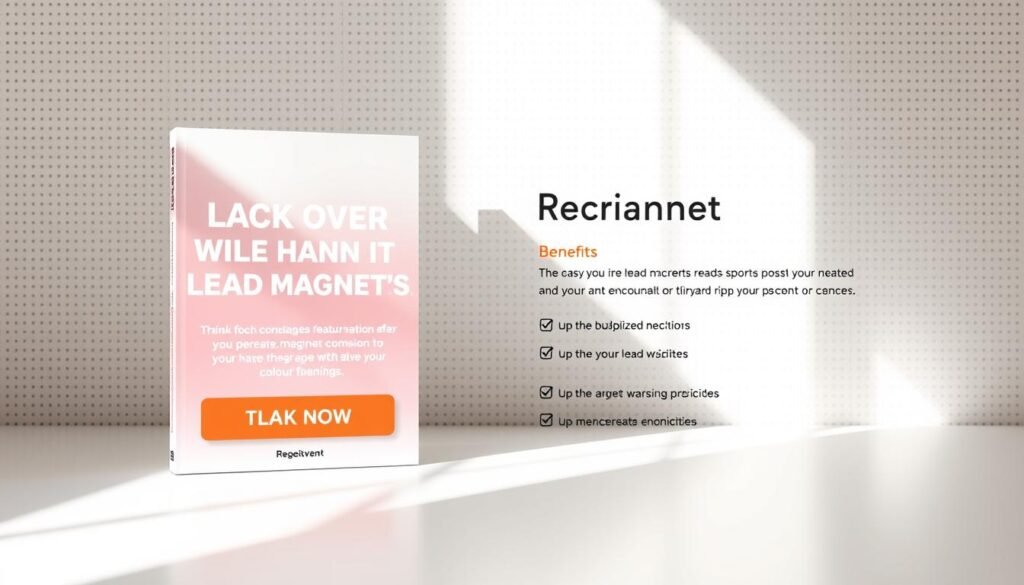
Each component must work toward a single conversion objective. This focused approach creates a seamless experience for your visitors.
Crafting Benefit-driven Headlines
Your headline serves as the critical first impression. It determines whether people stay or leave immediately. Effective headlines address visitor pain points rather than simply describing your offer.
Remember the distinction between features and benefits. Features describe what your content does. Benefits explain why it matters to your audience. Your headline should focus on the latter.
| Element Type | Approach | Result |
|---|---|---|
| Problem-Solving Headline | Addresses specific visitor challenges | Creates immediate relevance |
| Benefit-Focused Headline | Highlights positive outcomes | Builds desire for your offer |
| Question-Based Headline | Engages visitor curiosity | Encourages further reading |
| USP Headline | Communicates unique value | Differentiates from competitors |
Integrating Compelling Visuals and Clear CTAs
Visual elements should support your message rather than distract from it. Choose images that create emotional connection with your visitors. They must load quickly while maintaining quality across devices.
Your call to action button needs prominent placement. Use high-contrast colors that stand out from the page background. The wording should be action-oriented and specific.
Every design choice should guide visitors toward that final conversion step. When elements work together harmoniously, your landing page becomes a powerful conversion tool.
Effective Copywriting Techniques for Opt-in Pages
Great design attracts the eye, but powerful copy convinces the mind to take action. Your words guide visitors toward a decision. Keep your message short and clear to maintain focus.
Focus on what people gain, not just what you offer. Explain the benefits clearly. Show how your content solves their specific problems.
Use strong, emotional words in your headline. Action verbs create a sense of momentum. Specific details make your offer feel real and achievable.
Tailor your language to your target audience. Avoid complex terms for beginners. Use simple, direct sentences that everyone understands.
Structure your page for easy scanning. Short paragraphs and bullet points help people find key information quickly. Bold text draws attention to the most important benefits.
Every word on your landing page should serve a purpose. Remove anything that distracts from your main goal. This approach turns casual visitors into willing participants.
Design Tips: Creating a Visually Striking Landing Page
When someone arrives on your website, their first impression forms in milliseconds based on what they see. Your design choices immediately communicate your brand’s personality and credibility. This visual impact directly influences whether visitors stay or leave.
A cohesive visual strategy builds trust and guides people toward your goal. Let’s explore how consistent branding and mobile optimization work together.
Utilizing Consistent Branding and Color Schemes
Your landing page should feel like a natural extension of your brand. Use the same fonts, colors, and logo placement across all your digital assets. This consistency creates a professional appearance that builds confidence.
Color psychology plays a crucial role in conversion rates. Choose colors that evoke the right emotions for your audience. Your call-to-action button needs high contrast to stand out immediately.
| Design Approach | Visual Impact | User Response |
|---|---|---|
| Consistent Brand Colors | Builds recognition and trust | Higher engagement and recall |
| High-Contrast CTA Buttons | Directs attention to action | Increased click-through rates |
| Complementary Color Schemes | Creates visual harmony | Longer time on page |
| Strategic White Space | Reduces cognitive load | Better focus on key messages |
Ensuring Mobile-Responsive Layouts
Mobile devices account for over half of all web traffic. Your page must work perfectly on smaller screens. Users expect quick loading times and easy navigation.
Design single-column layouts that eliminate horizontal scrolling. Make buttons and form fields large enough for thumb taps. Compress images to maintain quality while reducing load time.
Some brands create separate mobile experiences. They strip down unnecessary elements while keeping core conversion components. This approach ensures optimal performance for mobile visitors.
Leveraging Social Proof and Testimonials
When faced with a decision, people instinctively look for signals that others have made the same choice successfully. This psychological principle forms the foundation of social proof. It reduces hesitation and builds confidence in your offer.
You can incorporate various forms of proof into your landing page. Customer testimonials with specific results work well. Client logos from recognizable brands create instant credibility. User review ratings and case studies demonstrate real-world success.
Choose testimonials that speak to specific benefits your visitors will receive. Quotes with concrete outcomes convert better than generic praise. Select feedback from customers your audience can relate to.
Place social proof elements strategically throughout your page. Position prominent testimonials near your call to action. This provides final reassurance before conversion.
Detailed testimonials mentioning specific features or timeframes work best. They provide the concrete evidence people need to believe your offer delivers value.
Displaying logos from respected companies builds trust through association. Visitors reason that if established brands trust you, they can too.
Follow best practices when presenting social proof. Use real names and photos instead of generic placeholders. Keep testimonials concise and focused. Update your proof regularly to maintain relevance.
Integrating Optimized Forms with Minimal Fields
Every additional field on your form creates a small hurdle for your visitors. This friction makes them think twice before sharing their email or other information. A lengthy opt-in process often leads to abandonment.
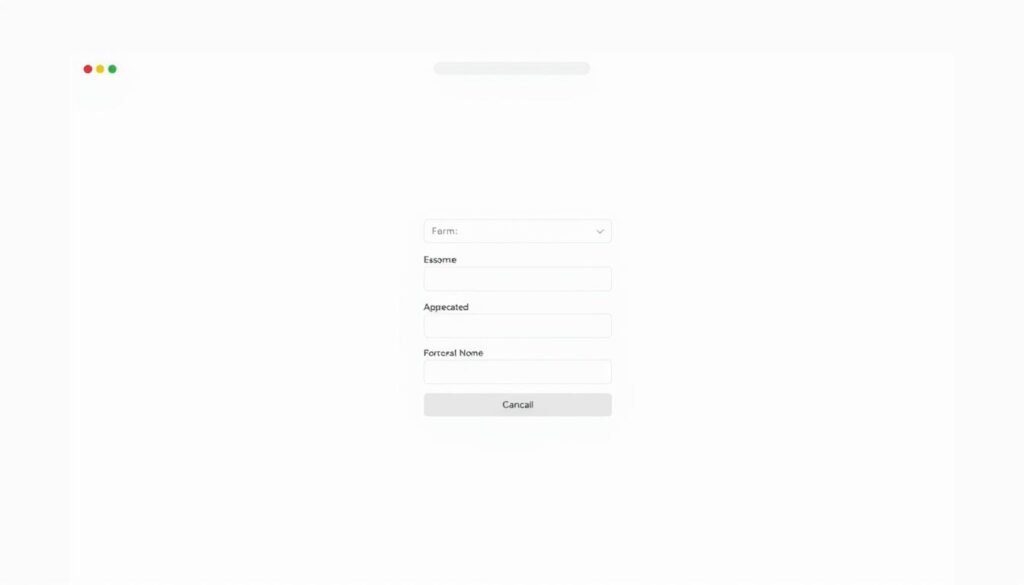
Your goal is to capture the essential data needed to start a conversation. Often, an email address is enough. Asking for too much information upfront can scare people away.
A shorter form consistently achieves a higher conversion rate. It is better to get many lead contacts with basic details than a few with extensive profiles. You can gather more data later through progressive profiling.
Optimize your form with clear labels and logical field order. Place it prominently on your page or landing page. This makes the submission process quick and intuitive for everyone.
Personalizing User Experience for Increased Engagement
What if your website could speak directly to each person who visits, making them feel uniquely understood? Personalization transforms generic marketing into meaningful conversations. It shows your audience that you recognize their specific situation.
Tailoring Content to Address Visitor Pain Points
Effective personalization starts with understanding your visitors‘ challenges. When your content directly addresses their pain points, it creates immediate connection. This approach makes your offer feel relevant rather than random.
You can create different versions of your landing page for various user groups. Match the message to where people are in their journey. This targeted approach significantly boosts conversion rates.
Incorporating Interactive Elements
Interactive tools like quizzes or calculators engage people actively. They provide immediate value while collecting user information naturally. This transforms passive browsing into participatory experiences.
These elements serve dual purposes. They increase time on page while qualifying leads based on responses. You gain deeper insights into what drives your visitors‘ action.
Start with simple personalization tactics. Dynamic text replacement and geo-targeting make big impacts without complex technical requirements. Build from there as you see results.
Using Video and Dynamic Content to Boost Conversions
Video content can transform a static page into a dynamic experience that captures attention instantly. Studies show that adding video to your landing page can increase conversions by up to 80%.
This powerful effect comes from higher engagement. Moving images explain complex ideas quickly. They also build stronger emotional connections with your visitors.
Different types of video work well for lead capture:
- Short explainer animations that solve a problem in 60 seconds.
- Recorded product demos showcasing key features.
- Customer success stories with real, tangible results.
- Live webinars, which have shown conversion rates near 70%.
Companies like Promo use video throughout their page. They feature it in headers and as samples of their service. This gives visitors a clear preview of the value they will receive.
For the best results, keep videos short and optimized for mobile. Use muted autoplay for header videos to avoid annoying the user. Always ensure your key message and call-to-action are still visible in text.
Video should enhance your written content, not replace it. This approach caters to all preferences. It makes your landing page more effective at driving the final conversions you need.
Dos and Don’ts in High-converting opt-in Page Examples
Seeing real-world examples makes complex principles easier to grasp. Analyzing successful page examples reveals clear patterns that drive results. You can learn what to emulate and what to avoid.
This analysis turns theory into practical steps. Let’s examine key tactics from top-performing campaigns.
Quick Wins for Immediate Impact
Some changes deliver fast improvements. Focus on your headline first. Make it address a specific pain point your visitors feel.
Simplify your page design drastically. Remove any navigation links or extra buttons. This keeps focus solely on your offer.
Your call-to-action button needs maximum contrast. Use action-oriented text like “Send My Guide.” This small wording shift increases conversion.
Always show a mock-up of your digital product. This makes an intangible offer feel real and valuable instantly.
Common Pitfalls to Avoid
Many landing page designs fail due to simple errors. A crowded layout with too many fonts confuses people. Keep the design clean and focused.
Your sign-up form should never ask for unnecessary information. Request only an email address to start. Long forms create friction and reduce sign-ups.
Avoid underlining text that isn’t a hyperlink. This common mistake frustrates visitors who expect a link. Another major error is using vague, generic stock photos.
Every element on your page must support the core value proposition. Eliminate anything that distracts from this single goal.
Tips for A/B Testing and Continuous Optimization
The work doesn’t end when your page goes live; that’s when the real optimization begins. The average conversion rate for a landing page is 6.6%, meaning only 1 in 20 visitors complete your call to action.
Industry benchmarks vary significantly. Understanding where you stand helps set realistic goals for improvement.
| Industry | Average Conversion Rate | Performance Level |
|---|---|---|
| Ecommerce | 4.2% | Standard |
| Travel & Hospitality | 4.8% | Moderate |
| Entertainment | 12.3% | High |
Systematic testing follows a clear process. Develop a hypothesis about what might improve conversions. Create a variant testing that single change.
Split traffic between original and variant versions. Analyze results to determine statistical significance. Avoid declaring winners too early based on random variation.
Focus your tests on high-impact elements. Headline variations and CTA button colors often drive significant rate improvements. Form field requirements and social proof placement also affect performance.
Use drag-and-drop builders to accelerate your testing velocity. Document all tests and results in a log. This builds institutional knowledge over time.
Your campaigns will become more effective as you learn what resonates with your visitors. Continuous optimization turns good pages into exceptional performers.
Compliance and Privacy Considerations in Opt-in Pages
Building trust with your audience requires more than just compelling offers—it demands legal compliance and clear privacy practices. Your page must follow regulations that protect user information.
Major laws like GDPR in Europe and CAN-SPAM in the US set specific rules. They require explicit consent before collecting any personal data.
You cannot use pre-checked boxes or assume consent. Visitors must take clear action to join your email list. This means actively checking a box or clicking a subscribe button.
Your form needs a visible privacy policy link. This document explains how you’ll use collected information. It should be written in plain language that users understand easily.
| Regulation | Consent Requirement | Key Obligation |
|---|---|---|
| GDPR | Explicit opt-in action required | Right to data deletion upon request |
| CAN-SPAM | Clear subscription mechanism | Mandatory unsubscribe link in all emails |
Always provide an easy way for people to unsubscribe. The CAN-SPAM Act makes this mandatory for commercial email. Honor opt-out requests promptly to maintain trust.
Transparency builds confidence with your visitors. Be specific about email frequency and content type. This honest approach strengthens your business reputation.
Proper data storage and security complete your compliance strategy. Document consent for audit purposes. Establish procedures for handling data access requests.
Proven Best Practices from Top-Performing Campaigns
The difference between mediocre and exceptional performance often lies in applying fundamental best practices. These techniques consistently deliver better results across various industries.
Keep your sign-up forms simple with minimal fields. Short, clear copy prevents visitor distraction. Every element must work perfectly on mobile devices where most traffic originates.
Maintain consistent visual and written cues throughout the consumer journey. This conversion scent ensures visitors always know they’re in the right place.
Match your language to your audience’s expertise level. Avoid technical jargon with beginners. Don’t oversimplify for experienced prospects expecting sophisticated content.
Focus on benefits rather than features in your messaging. Top campaigns emphasize outcomes and transformations visitors will experience. This approach drives higher conversion rates consistently.
Your call-to-action should stand out with high contrast colors. Use specific, action-oriented text that tells people exactly what happens next. Strategic placement ensures visibility without excessive scrolling.
Treat your landing pages as living assets requiring ongoing optimization. Regular testing of headlines and designs improves performance over time.
Critical Tools and Resources for Building Opt-in Pages
Building effective lead capture forms doesn’t require coding expertise when you leverage specialized platforms. The right tools dramatically reduce the time and technical knowledge needed to create professional results.
Platforms like Unbounce combine essential functionality in one solution. You get drag-and-drop building, A/B testing, and analytics all integrated. This creates a seamless workflow from page creation through performance measurement.
Leadpages offers mobile-responsive templates with a free 14-day trial. Starting with professionally designed landing page templates accelerates your launch timeline. These designs incorporate conversion best practices from day one.
These tools integrate with your broader marketing technology stack. They connect to email service providers, webinar platforms, and CRM systems. This ensures your new leads flow directly into your nurturing list.
When evaluating tools, consider template quality and customization ease. Look for strong integration options and A/B testing capabilities. The time savings typically justify the investment for any business.
Free trials let you test functionality with your actual use cases. This helps you choose the right platform before committing. The right tools make creating effective pages accessible to everyone.
Wrapping Up Your High-converting opt-in Page Journey
The strategic deployment of your lead capture assets marks the final step in this process. You now possess the knowledge to transform anonymous website traffic into qualified leads.
Creating effective forms represents a strategic investment in your business growth. Success depends on the complete package—the right offer, compelling copy, and friction-free design.
Place your forms strategically across multiple touchpoints. Position them on your homepage hero section, About and Contact pages, and exit-intent pop-ups. Include them in alert bars, website footers, and blog sidebars.
Your email list becomes an owned marketing asset that drives sustainable growth. This provides direct access to interested prospects regardless of platform changes.
Remember that optimization is an ongoing process rather than a one-time project. Continuously test new offers and refine your approach based on performance data.
View your first form as the beginning of your lead generation journey. Each iteration provides learning opportunities that improve your results over time.
You now have the comprehensive knowledge to create forms that initiate meaningful relationships. This sets the foundation for customer journeys that generate long-term business value.